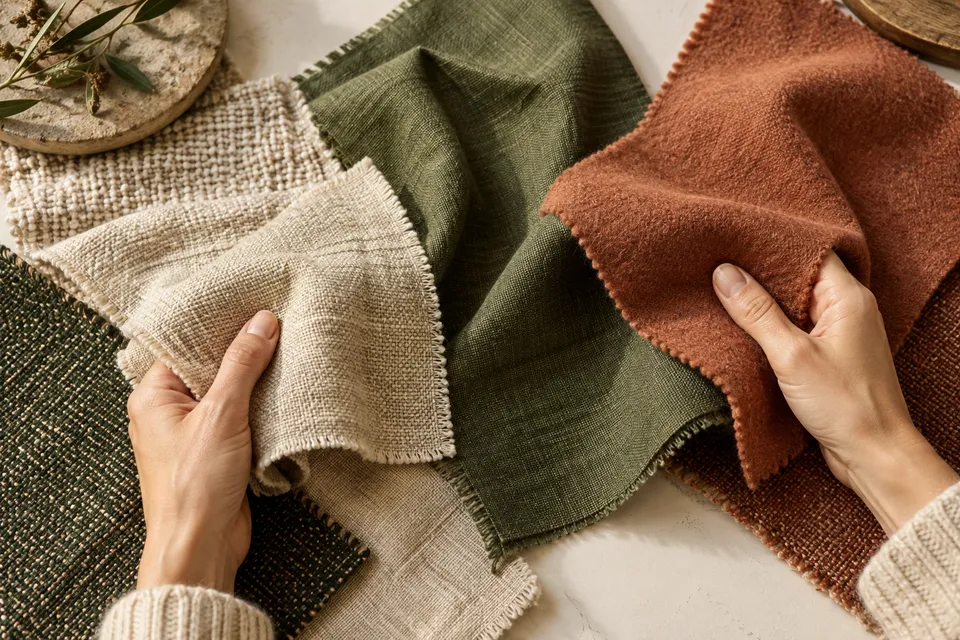
Fibre
A tactile guide to material decisions
Cindoreva starts with a sample in the hand: its weight, edge, grain and resistance. Small tests turn a promising surface into an informed design choice.
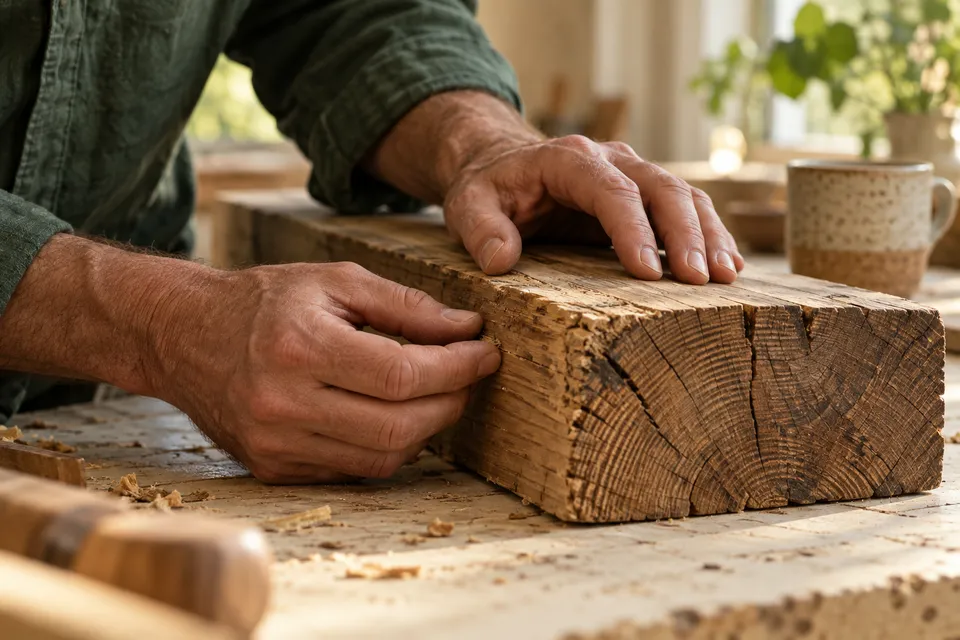
The same sample can feel different when it is bent, joined or viewed against the light. Keep a record of those changes before deciding where the material belongs.
02 / A working collection
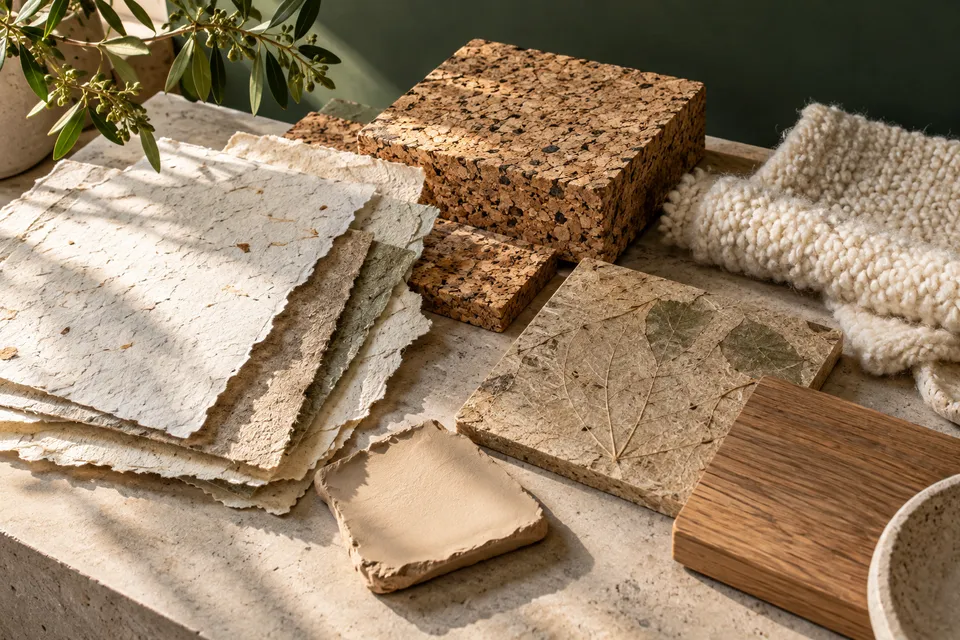
Collect samples that answer different questions. A useful material library includes edges, failed joints and unfinished tests alongside attractive surfaces.

03 / Ways of finding out
Move from observation to contact, comparison and construction. Each mode reveals a property that a photograph alone cannot establish.
Rotate the sample without moving the light source. Note which marks remain stable and which emerge only at a shallow viewing angle.
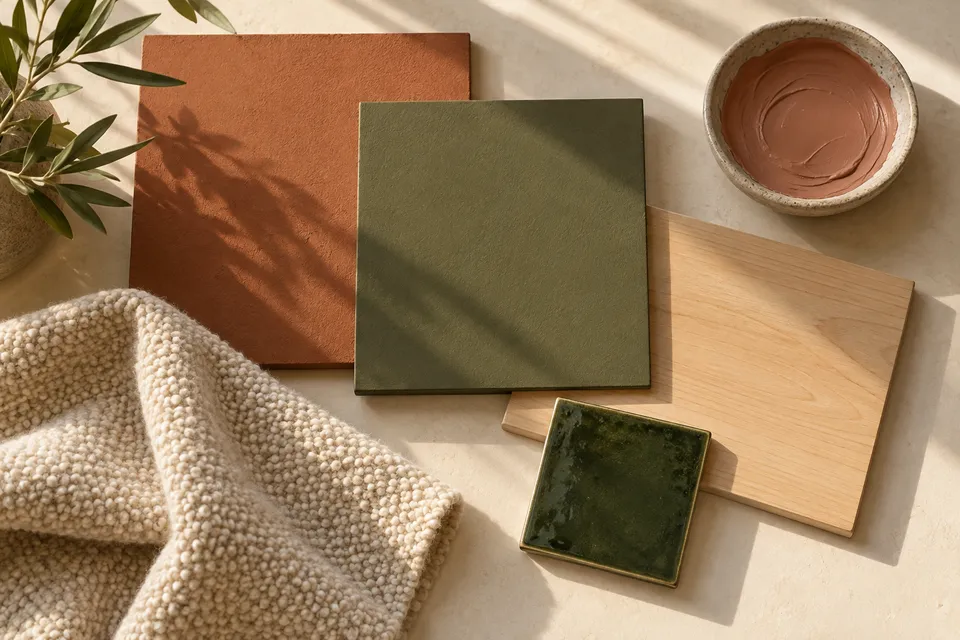
Apply gentle, repeatable pressure to safe samples. Describe stiffness and recovery in relation to the dimensions of the piece you actually tested.
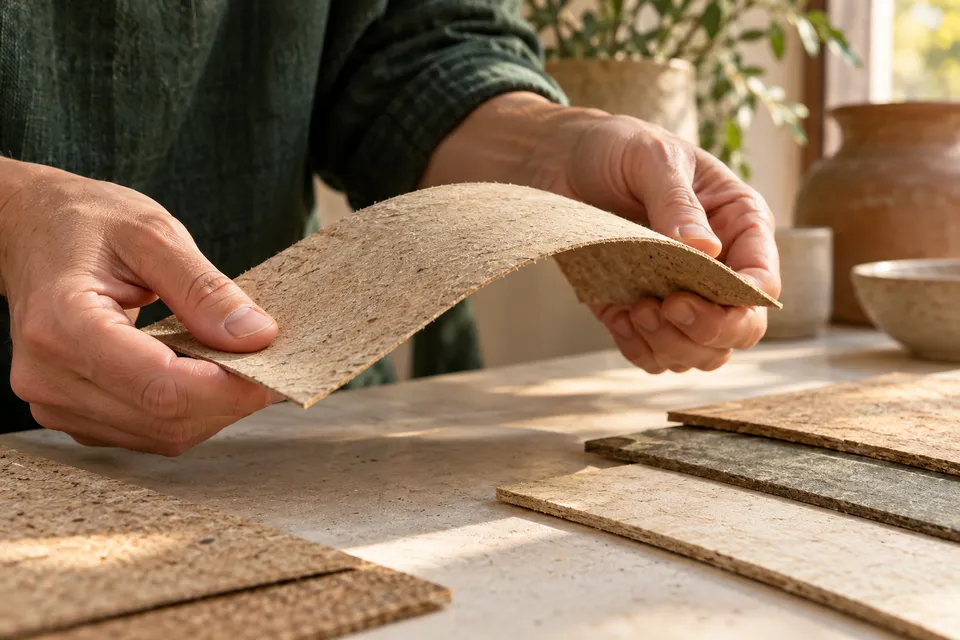
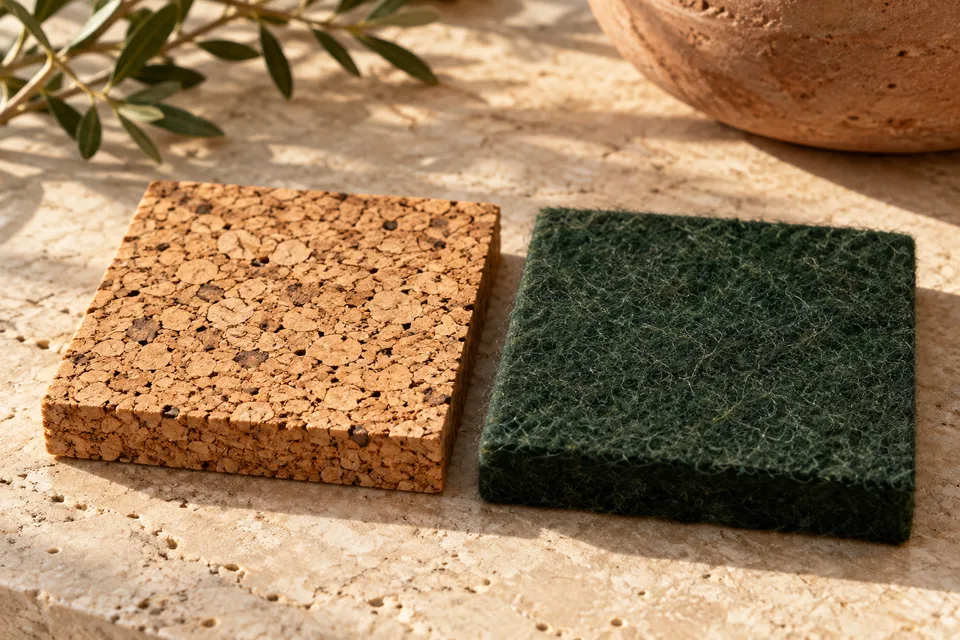
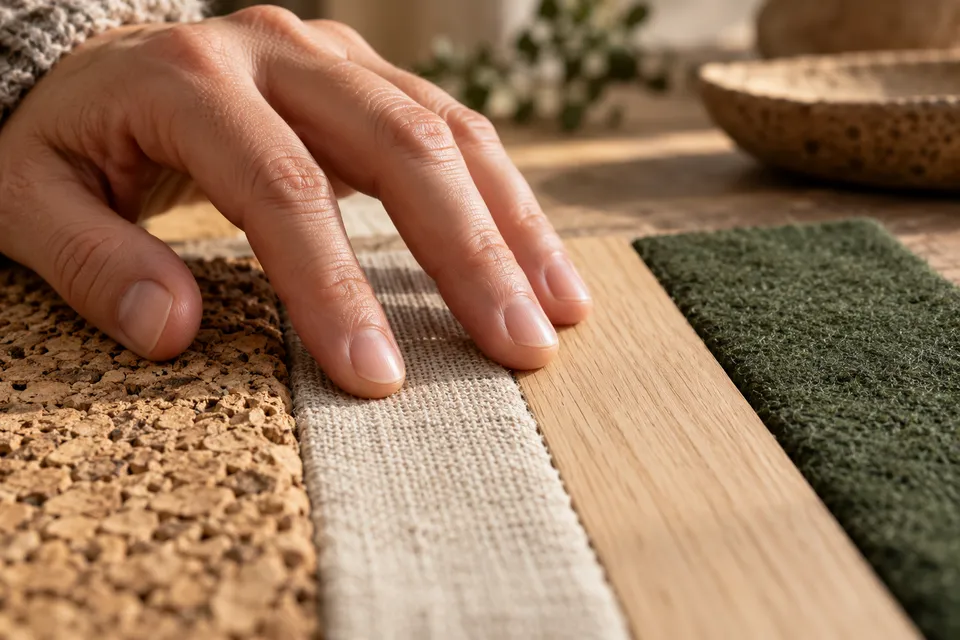
Place two materials on the same support in the same light. Compare thickness, edge and tactile response before deciding which difference matters to the project.
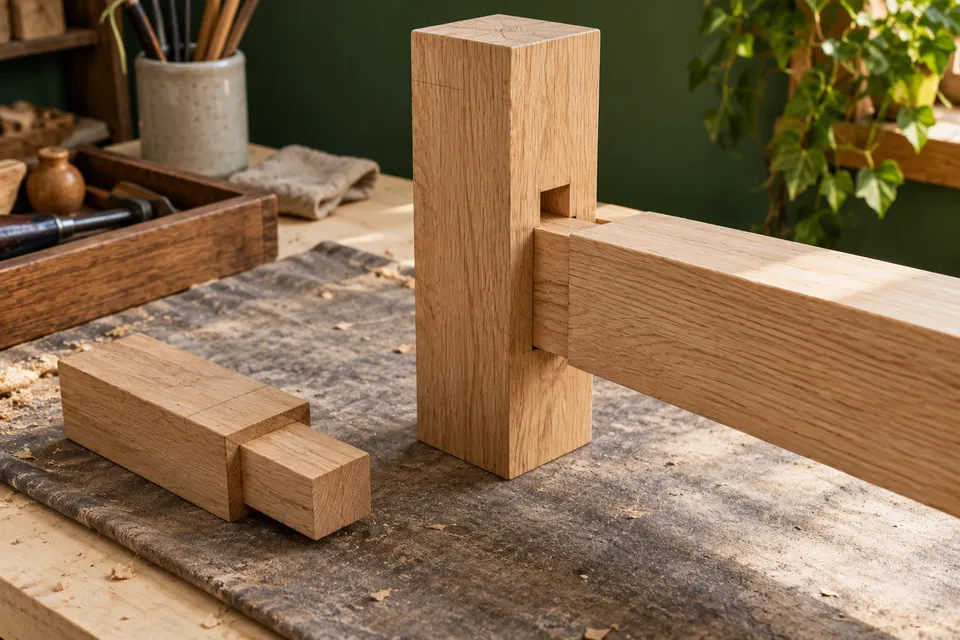
Join a small piece at the intended thickness. Inspect where pressure concentrates and whether the connection can be separated without unnecessary damage.

Store labelled pieces where their edges and thicknesses remain visible. A short note about origin and test conditions is more useful than a purely colour-based arrangement.
04 / Material prompts
Filter these prompts by the property you want to understand. Start with a test small enough to repeat under similar conditions.
4 prompts available
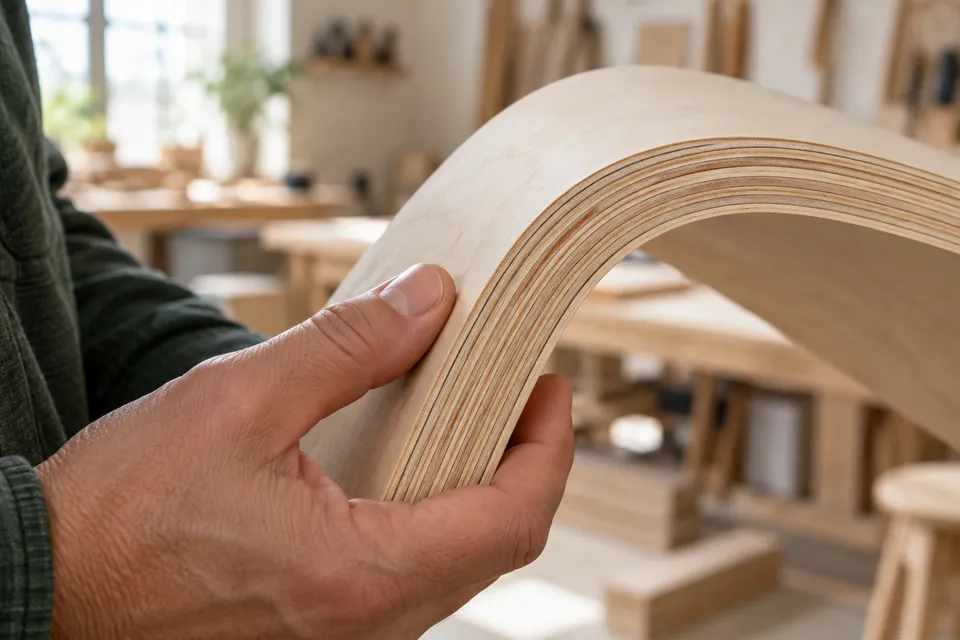
Compare a bend parallel with the grain against a gentle bend across it.
Record coatings, holes or wear that may affect the next use of an offcut.
Make the fastening visible while testing so its behaviour can be observed.
Watch the apparent tone change as the surface moves through the light.
05 / Tactile observation
Compare two clean, safe samples with your eyes closed. Notice temperature, friction and resilience, then reopen your eyes and consider whether the visible surface suggested those qualities.
Open a material exercise06 / Preparation
Use these reminders before cutting another sample. Your checklist remains on this device and can be reset when you change materials.
0 / 6 complete
07 / Colour in context
Place textured samples beside smoother ones in the same light. Gloss, fibre and shadow can change apparent colour as much as the pigment itself.

08 / A useful prototype
Test one connection at a useful scale. The aim is to understand the behaviour of the joint, rather than to disguise uncertainty with a polished finish.
Compare a bend parallel with the grain against a gentle bend across it.
Record coatings, holes or wear that may affect the next use of an offcut.
Make the fastening visible while testing so its behaviour can be observed.
Watch the apparent tone change as the surface moves through the light.
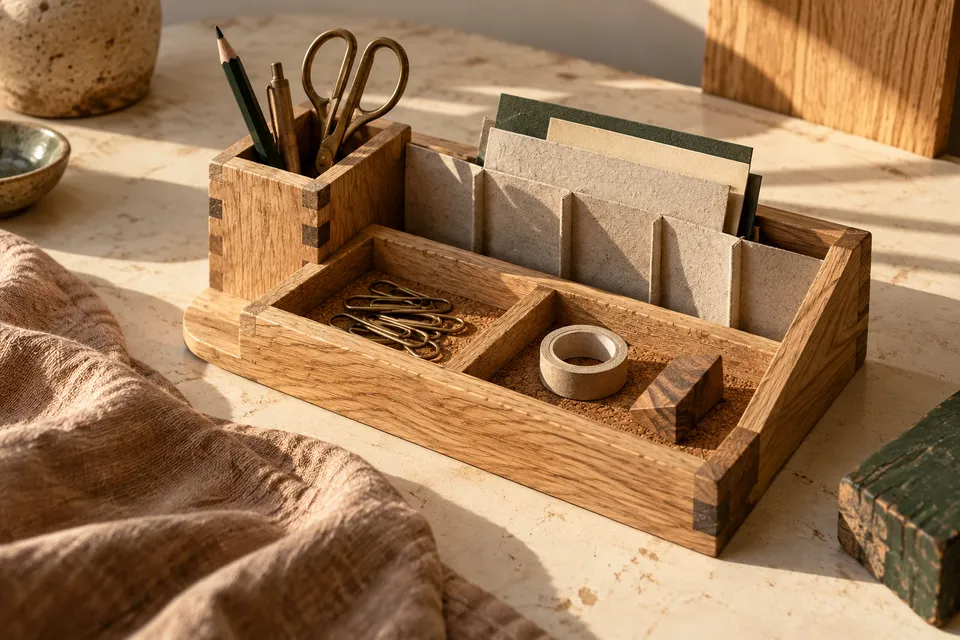
Join a small piece at the intended thickness. Inspect where pressure concentrates and whether the connection can be separated without unnecessary damage.
09 / Close observation
A cut, folded or worn edge reveals the construction behind a surface. Document the edge along with the face whenever you compare a new material.
10 / Honest material questions
Use observation to support a description. Avoid treating a natural appearance or a recycled label as a complete account of performance.